
Yash Pataskar
TL;DR:
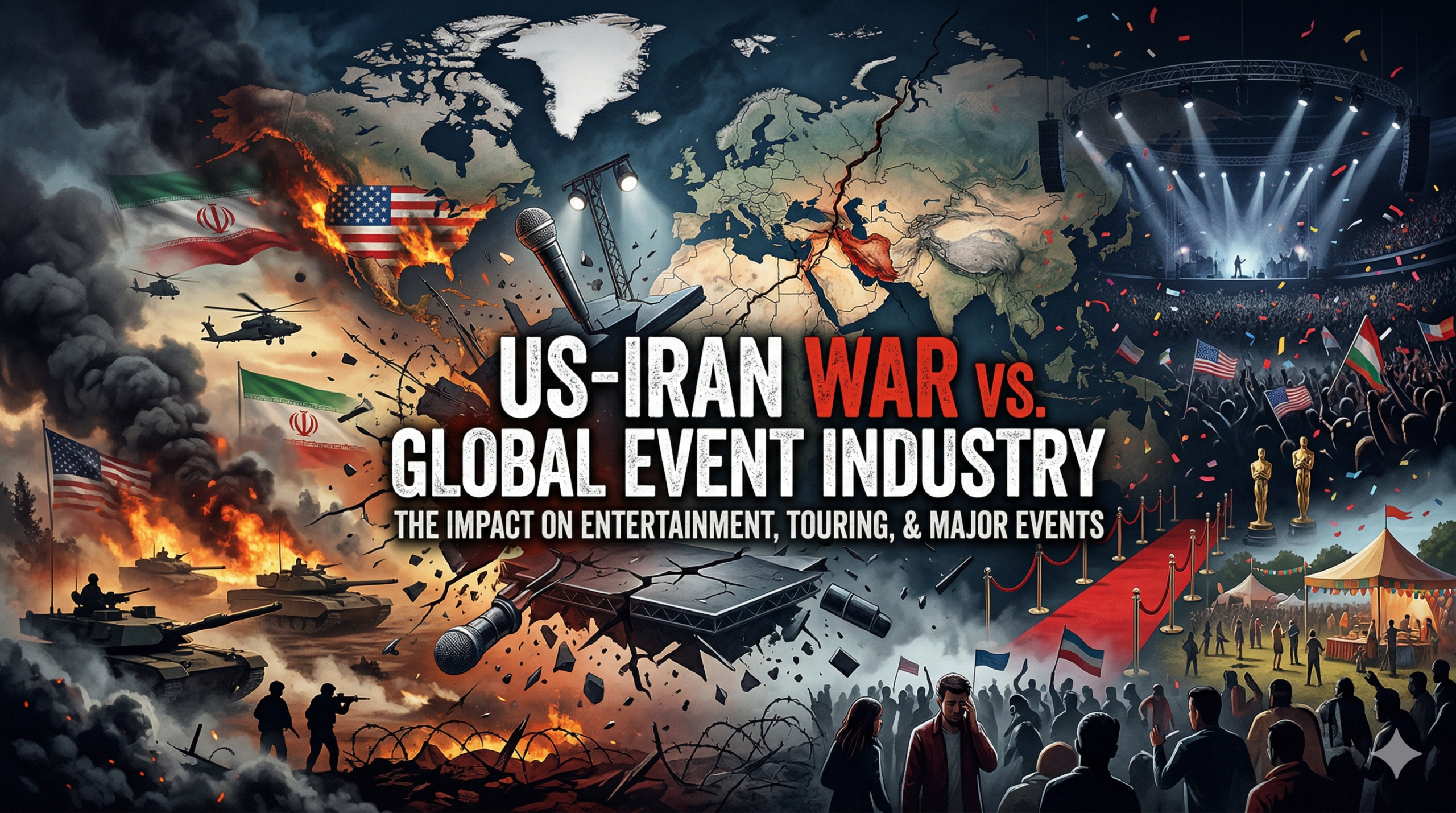
The US-Iran War isn’t stopping events yet, but it’s making planners cautious.
Travel uncertainty and rising costs are pushing clients toward flexible dates and backup virtual options.
In the events world, uncertainty travels faster than headlines.
When geopolitical tensions rise, flights reroute, budgets pause, planners hesitate, and suddenly conversations begin to sound familiar again: “Can we keep the date flexible?”
For many event professionals, the early signals of the 2026 US–Iran War already feel like an echo of something we’ve seen before.
Not COVID. But the first few weeks of COVID.
The First Impact: Travel Disruption Hits Events Immediately
The events industry runs on movement.
Speakers travel. Teams fly. Guests cross borders. Production equipment moves between cities.
And right now, travel is one of the first sectors affected.
The conflict has already triggered thousands of flight cancellations and rerouted global air traffic, disrupting major transit hubs across the Middle East and beyond.
At the same time, closures across Gulf airspace have affected around 15% of global air traffic routes, forcing airlines worldwide to suspend operations or increase ticket costs.
When travel becomes unpredictable, events become cautious.
The Second Impact: Rising Oil Prices Change Event Budgets
Events are logistics-heavy ecosystems.
Flights, venues, production, transport, hospitality… All depend on fuel.
Since the conflict escalated, Brent crude prices surged more than 55% in March 2026, pushing transportation and operational costs upward globally.
When fuel rises, events become expensive, international attendance drops and companies delay confirmations.
And planners start asking: Should we wait?
The Third Impact: Business Events Are Already Seeing Uncertainty
The meetings and corporate events sector is often the first to react to geopolitical tension.
Industry reports now describe the Middle East conflict as the most significant disruption to business events in the region since the pandemic, with cancellations already extending into the 2026 calendar.
Even outside the region, ripple effects appear quickly.
Hotels in major metro markets have already reported 15–20% month-on-month booking declines linked partly to conflict-driven uncertainty.
That hesitation travels across industries, including entertainment.
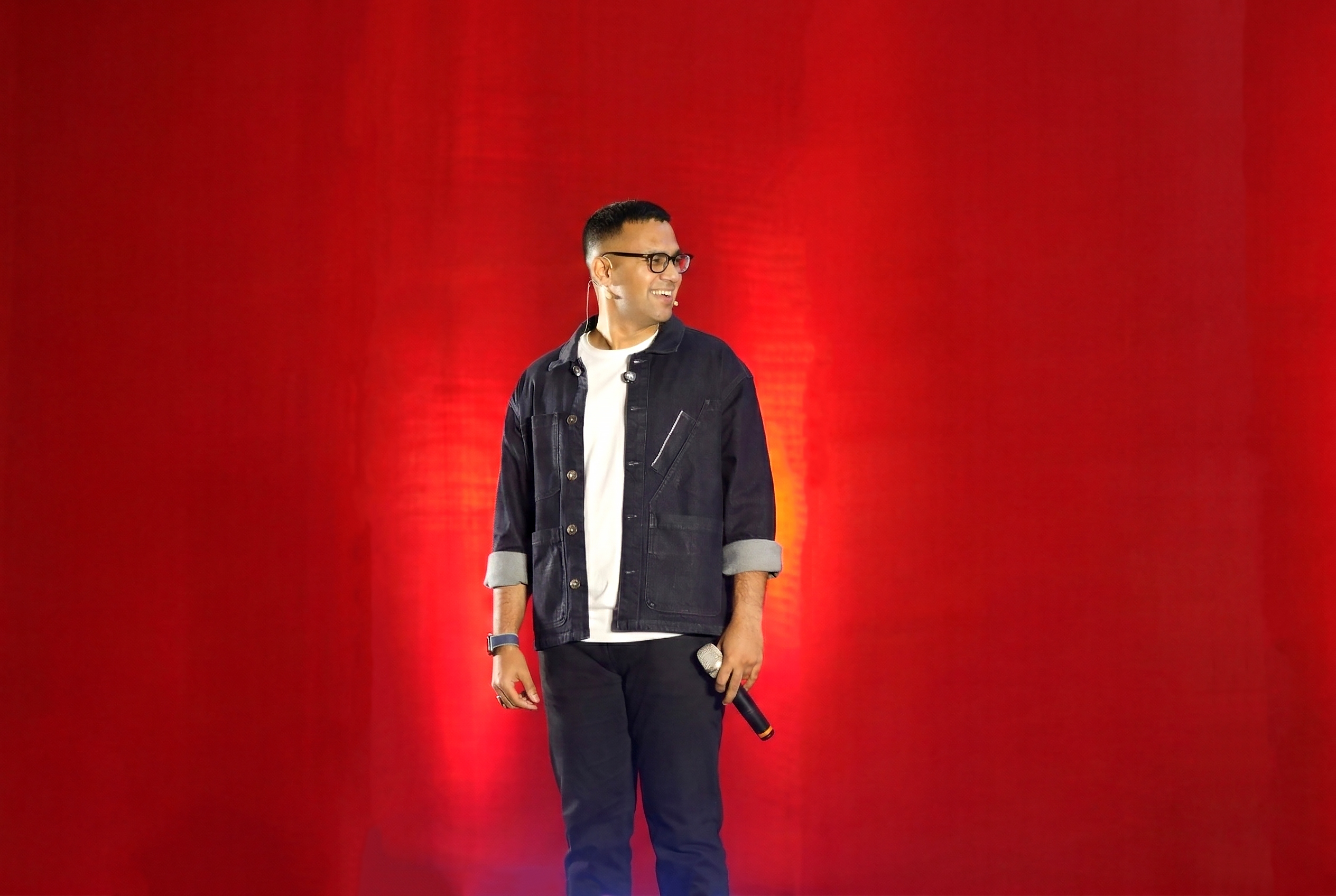
Recently, I received an enquiry for a corporate event. The client wasn’t unsure about the experience.
They were unsure about the date.
Their question wasn’t:
“Will this work?”
It was:
“Can we keep flexibility in case the event cancels like COVID?”
That sentence tells you everything about the moment we’re in.
Not panic. But caution.
The events industry doesn’t stop during uncertainty. It pauses just long enough to breathe & revive.
Why Corporate Events Respond Faster Than Weddings
Corporate calendars react immediately to uncertainty. Weddings don’t.
Companies pause travel, review budgets, adjust timing & refocus.
Families celebrate anyway!
That’s why corporate entertainment enquiries often change tone first during geopolitical tension.
Flexibility becomes part of the conversation.
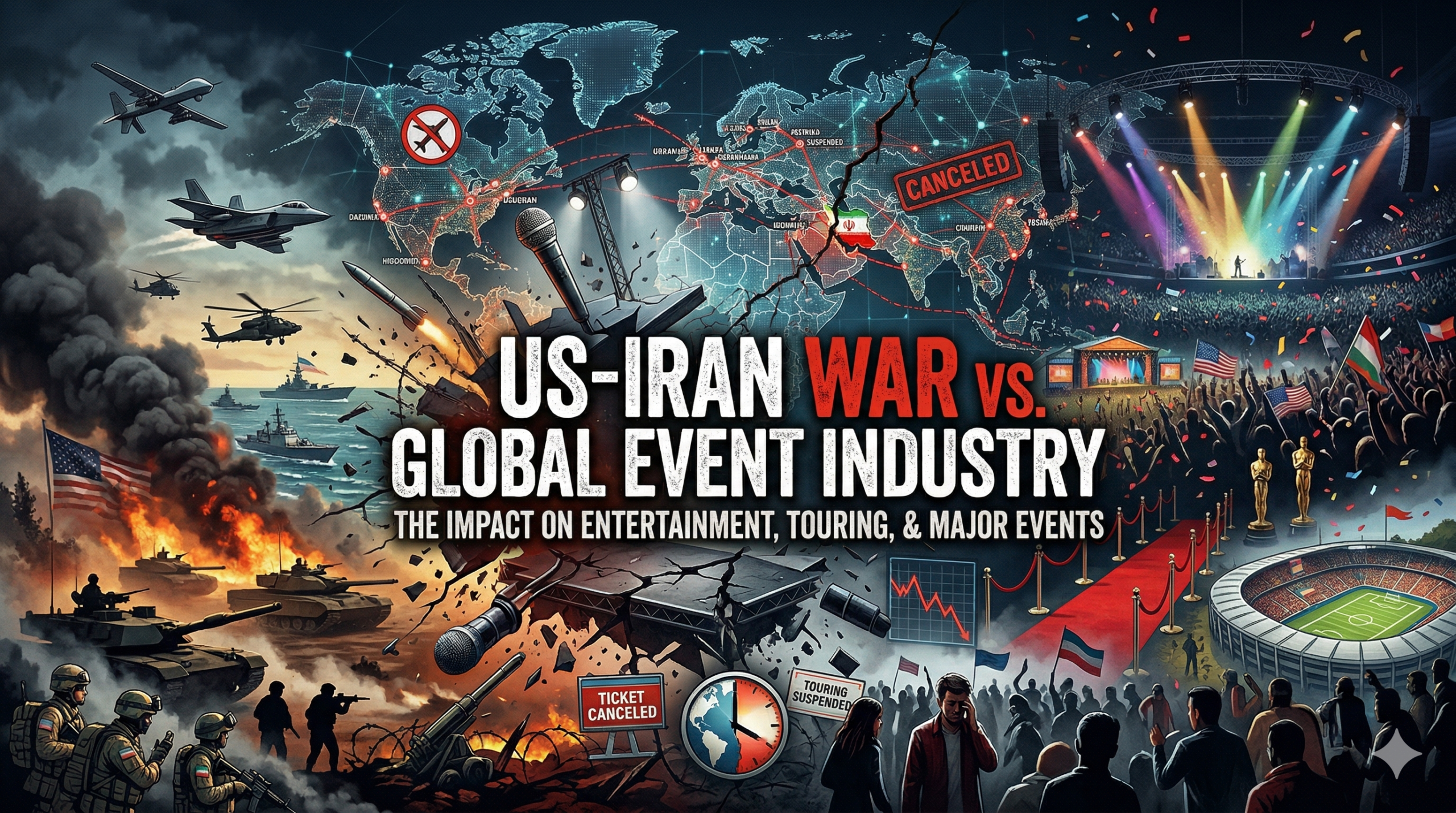
What Event Planners are Doing Differently while US-Iran War is happening
Across markets worldwide, planners are already adapting by:
- keeping backup virtual options
- confirming closer to event dates
- shortening planning windows
- splitting budgets across formats
- prioritising flexible performers
Not because events are stopping. Because events are ever evolving.
What This Means for Entertainers and Speakers
Moments like this reward performers who can:
- adapt formats
- offer hybrid experiences
- support flexible timelines
- travel efficiently
- respond quickly
- be creative
- command a solid USP
Entertainment isn’t becoming less important. It’s becoming more strategic and thoughtful, while being economy driven.
A Quiet Opportunity Inside Uncertain Times
When war-like uncertainty increases, planners look for experiences that:
- travel easily
- adapt quickly
- engage audiences directly
- work in both live and virtual environments
- engage personally
- cannot be replicated by a YouTube video
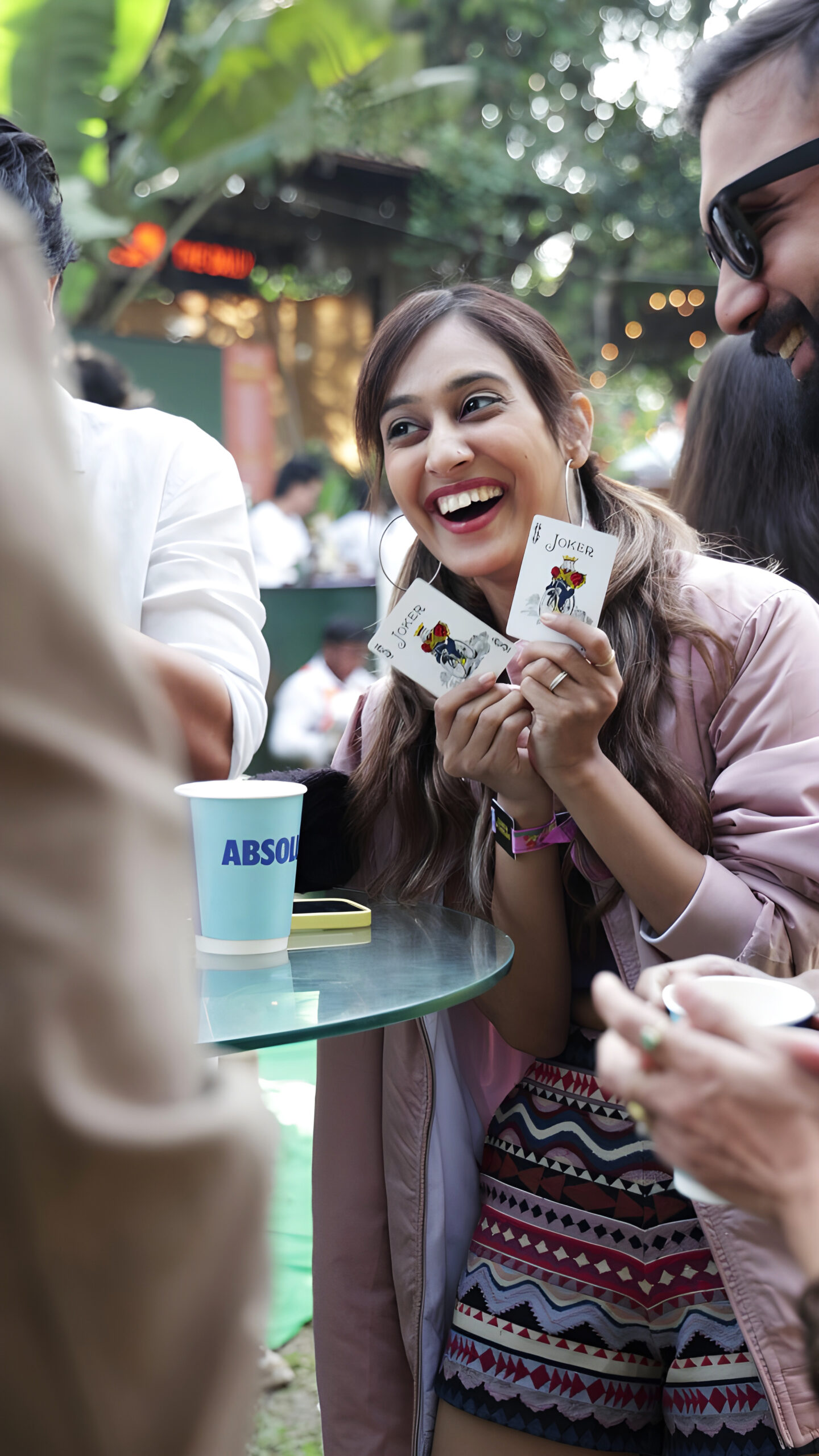
Interactive formats like mentalism sit comfortably inside that flexibility because the experience lives with people. Not just on a stage or on screen.
So, Is the US–Iran Conflict Slowing the Events Industry Worldwide?
Yes. A little. Temporarily.
But more importantly, it’s changing how events are conventionally planned; and when planning changes, the performers who adapt fastest often become the most valuable.
Right now, flexibility and adaptability is becoming part of the experience, not just the logistics.
Irrespective of the situation in the world, humans want to feel entertained and we would always find (or create) reasons to celebrate. In times like the US-Iran War, the Events & Entertainment Industry intelligently navigates and comes out sharper, creative and more powerful