
Yash Pataskar
TL;DR
A mind reader is not a separate type of performer.
Mind reading is one part of what a mentalist does.
Mentalism is a psychological performance art that may include prediction, influence, memory demonstrations, perception experiments, and audience interaction. It is collaborative theatre built around the thoughts and the mind.
First, Let’s Clear the Biggest Confusion
People searching for a mind reader in India are usually looking for a mentalist.
Because:
mind reading is an effect
mentalism is the art form
A mentalist performs mind reading. But mind reading alone does not define a mentalist.
It’s like saying: a singer vs music
One belongs inside the other.
Are There Performers Who Are Only Mind Readers?
Not really.
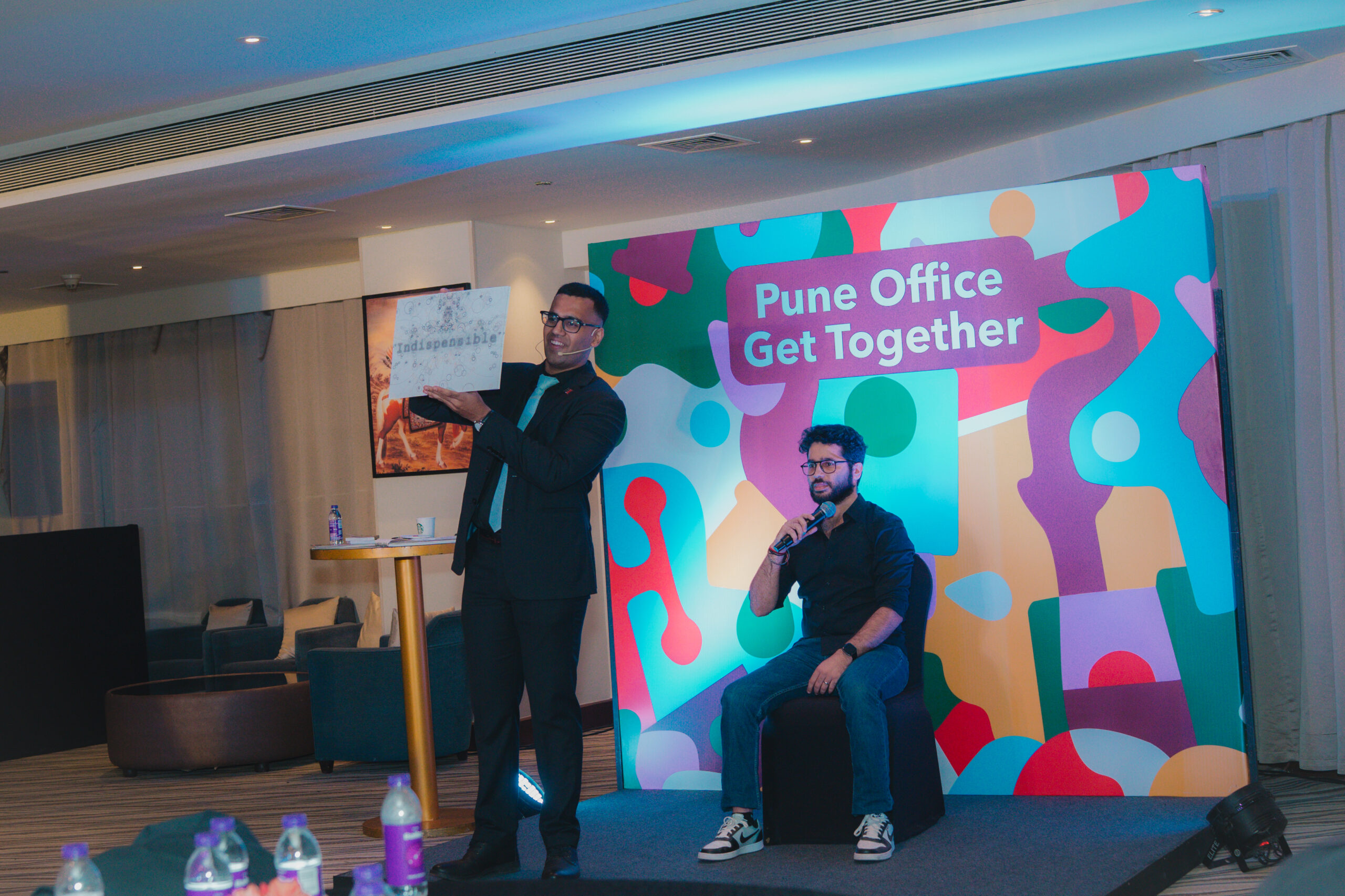
Professional performers described as “mind readers” are almost always mentalists presenting one part of a larger performance structure.
A complete mentalism experience may include:
- thought revelations
- predictions
- influence experiments
- memory demonstrations
- psychological perception tests
- audience decision experiments
Mind reading is simply the most recognisable doorway into the art.
Fact: Mentalism Is Not a God-Given Gift
This is one of the most important distinctions to understand.
Mentalism is:
- a trained performance discipline
- a psychological interaction craft
- a theatre form built around perception
—not a supernatural ability.
Modern mentalists openly describe their work as performance rather than paranormal activity. Organizations like The Magic Circle actively promote mentalism as part of the mystery arts rather than psychic demonstration.
Mentalism creates the experience of mind reading. Not the claim of it.
Mentalism vs Superstition: Where the Confusion Comes From
Across cultures, including India, audiences historically associated mind-reading experiences with:
- oracles
- astrologers
- numerologists
- palm readers
- mystics
These traditions interpret belief systems.
Mentalism creates theatrical experiences.
They are very different things.
A modern mentalist works with:
- psychology
- suggestion
- probability
- observation
- participation
rather than supernatural frameworks.
Mind Reading Is a Collaborative Experience
Here’s something most people don’t realise: mentalism happens with the participant, not to them.
Audience members make choices, think freely, respond naturally and shape outcomes.
Which means every performance changes depending on the room.
Mentalism is not demonstration. It is interaction driven art.

Is Mind Reading the Same as Hypnosis?
No. Mentalism and hypnosis are different disciplines.
Hypnosis involves guided suggestion affecting attention and responsiveness.
Mentalism creates the experience that thoughts themselves are being revealed or predicted.
Some performers study both fields, but they remain separate performance traditions.
Why “Mind Reading” Became the Popular Name
(Even When It Isn’t the Right One)
The phrase mind reader survived because it is the most direct description audiences could find for something they couldn’t easily explain.
When a performer reveals:
- a private thought
- a chosen word
- a remembered place
- a freely made decision
the simplest explanation becomes:
“He read my mind.”
Language always chooses the shortest path to wonder.
But inside the mystery arts community, performers use the word mentalist because the experience usually involves more than mind reading alone. A full performance may include prediction, influence, psychological suggestion, and perception experiments that stretch far beyond a single revelation.
So, the public kept the poetic word. Performers kept the accurate one. Both survived.
The Quiet Role of Psychology in Mentalism
Mentalism often feels mysterious because it uses principles audiences already experience in everyday life, just in ways they rarely notice.
Humans constantly anticipate patterns, interpret behaviour, respond to suggestion and predict reactions.
Mentalists simply bring those invisible processes into the spotlight.
Importantly, this does not mean mentalists “control minds.” It means they understand how attention works. And attention is where experience begins.
Researchers in performance psychology and behavioural communication regularly explore how expectation shapes perception, which helps explain why mentalism can feel deeply personal even inside large audiences. Studies referenced through institutions like American Psychological Association continue to explore how suggestion and expectation influence interpretation of events.
Mentalism turns those invisible dynamics into theatre.
Famous Mind Readers and Mentalists From the Past
Several performers shaped public understanding of mentalism worldwide.
Among the most influential:
Theodore Annemann
helped define early modern mentalism structure through publications like The Jinx
Max Maven
introduced intelligent narrative mentalism to global audiences
Richard Osterlind
brought practical psychological demonstrations into contemporary performance
Uri Geller
popularised televised mind-reading style demonstrations worldwide
Banachek
helped modern audiences understand mentalism as psychological theatre rather than paranormal activity
These performers shaped how audiences interpret mind-reading performances today.
Modern Mentalists Performing Worldwide Today
Contemporary performers continue expanding the art form:
Derren Brown
David Blaine
Lior Manor
Suhani Shah
Yash Pataskar
Today mentalism blends psychology, storytelling and audience interaction into one experience-driven performance language.
Why People in India Search for “Mind Readers”
In India, the phrase mind reader is often used instead of mentalist because:
- it is trending on social media
- it sounds mysterious
- it’s culturally exciting
- it appears in films and television
- the top mentalists globally make it exciting
But event planners searching for a mind reader are almost always looking for:
- interactive entertainment
- thought-reading demonstrations
- prediction experiences
participation-led performances
Which is exactly what mentalists create.
Explore formats across India here: 👉 /mentalist-in-india
Why Corporates hire Mind Readers & Mentalists
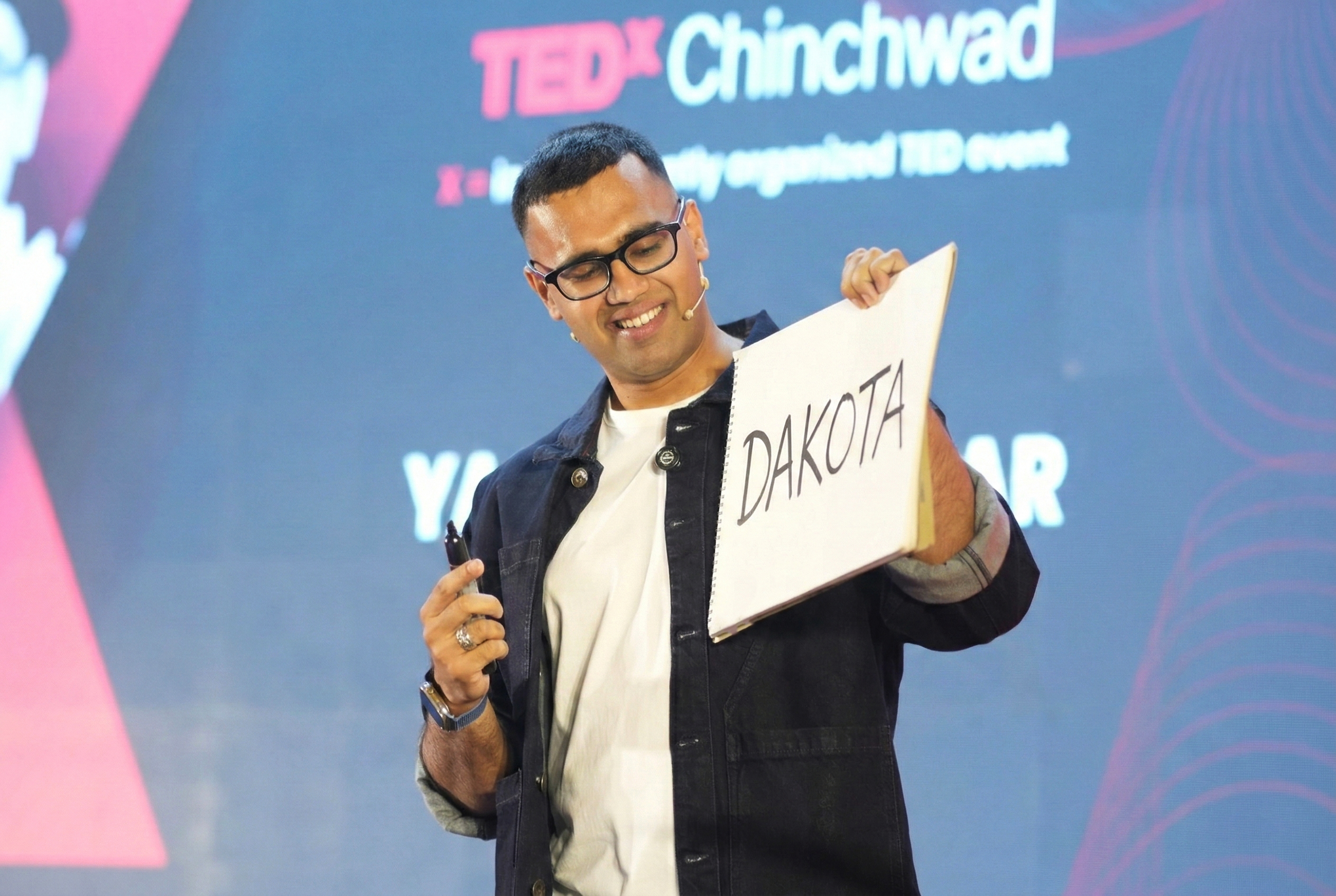
Corporate planners rarely want stage tricks. They want engagement and immersive entertainment.
Mentalism creates:
- conversation with audience
- attention resets between sessions
- shared surprise moments
- personalized experiences
Which makes it especially effective for:
- leadership summits
- client engagement evenings
- annual celebrations
- innovation forums
- massive conventions
Explore corporate formats here: 👉 /corporate
Why Weddings Are Booking Mind Readers
Modern weddings are experience-driven. Guests expect interaction.
Mentalism works beautifully during:
- cocktail evenings
- receptions
- engagement celebrations
because it connects people meeting for the first time.
Explore wedding formats here: ➡️ /weddings

So How Do You Find a Mind Reader in India?
Search for a mentalist, not a mind reader.
Mentalists specialise in:
- Corporate events
- Weddings
- Social events
Check availability here: 👉 /contact
or explore performance formats here: 👉 /experiences